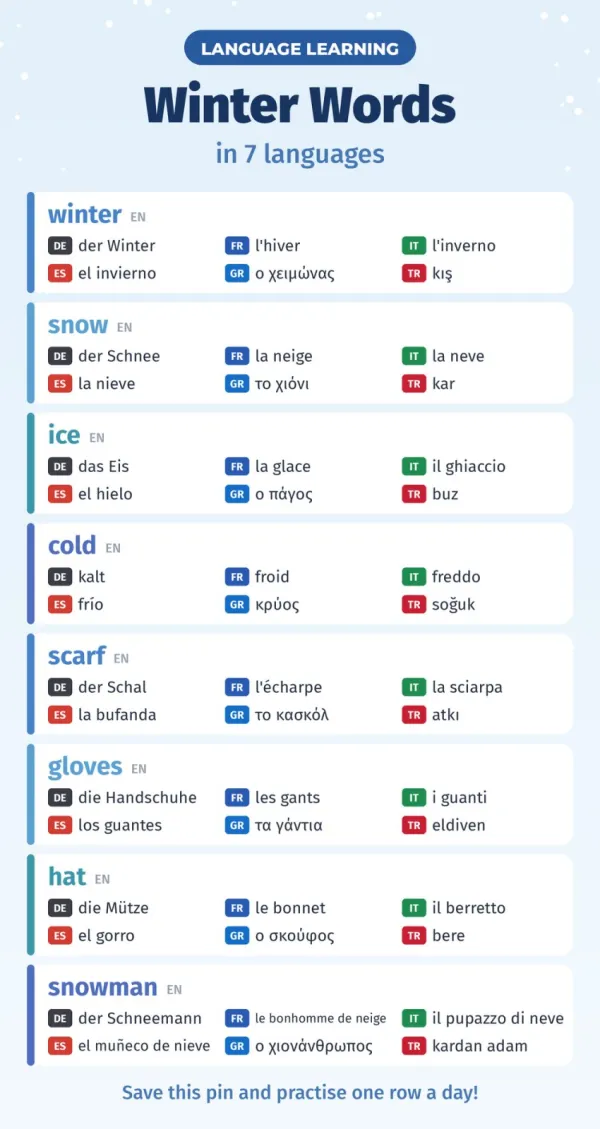
English
 Deutsch
 Français
 Italiano
 Español
 Türkçe
 Ελληνικά

 English
 Français
 Italiano
 Español
 Türkçe
 Ελληνικά
Shorter days and cold weather make many backyard flocks slow down or stop laying in winter. That is natural, because hens need roughly 14–16 hours of daylight to lay steadily. With a few simple habits you can still keep your girls healthy, comfortable and giving you fresh eggs.
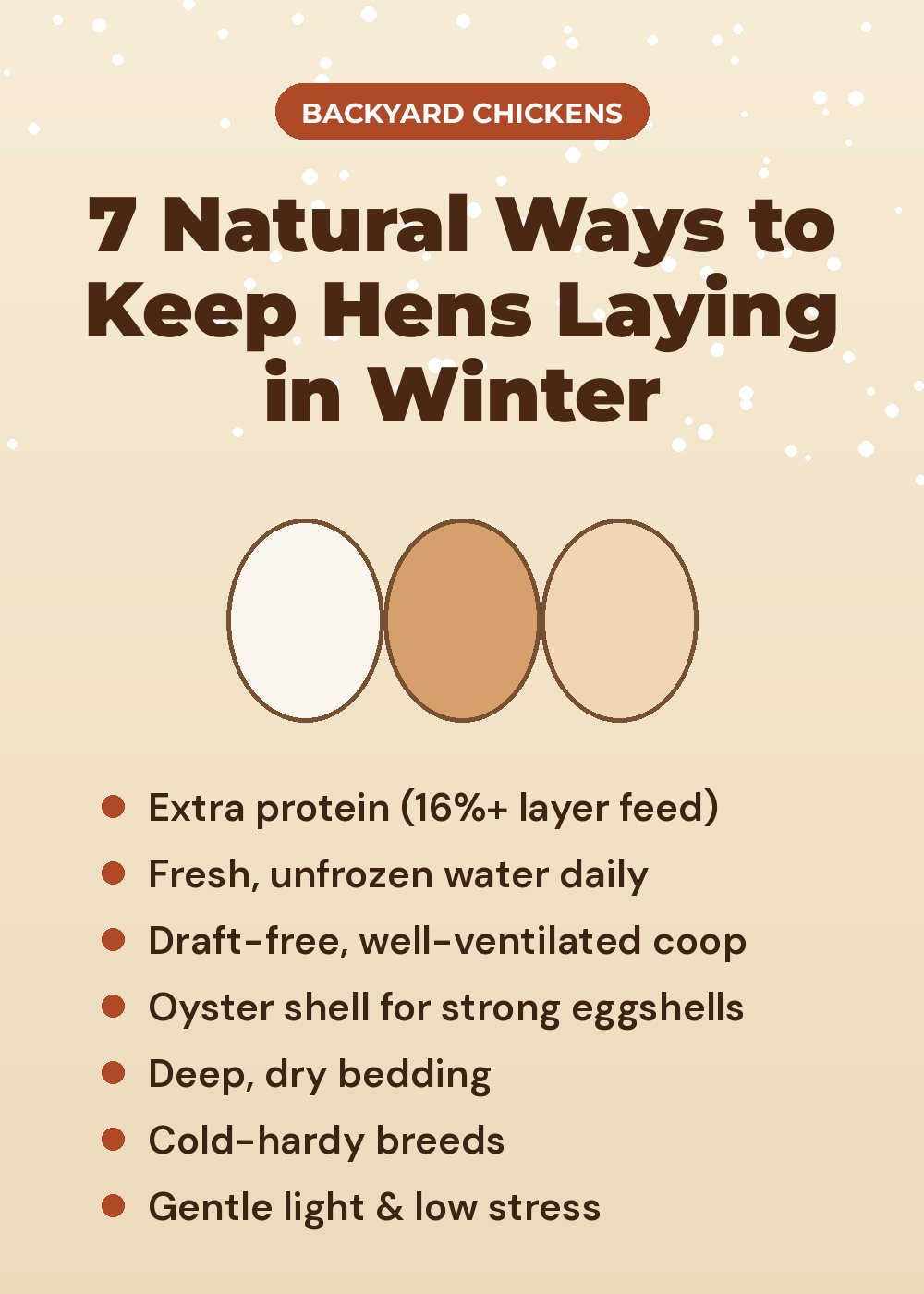
7 tips for winter laying
- Boost protein: Use a quality layer feed with at least 16% protein. During and after the autumn molt, a little extra protein (dried mealworms, black soldier fly larvae, cooked egg) helps them regrow feathers and return to laying.
- Keep water unfrozen: Hens cannot lay without enough water. Check drinkers twice a day or use a heated base on frosty nights.
- No drafts, but good ventilation: Block cold drafts at roost level, but keep vents open near the roof. Damp, stale air causes more winter problems than cold does.
- Offer oyster shell: A separate dish of crushed oyster shell gives them the calcium they need for strong shells.
- Use deep, dry bedding: A thick layer of straw or wood shavings insulates the floor and keeps feet dry. Remove wet spots regularly.
- Choose cold-hardy breeds: Breeds such as Australorp, Orpington, Plymouth Rock and Sussex usually keep laying better in winter.
- Light and calm: Some keepers add a gentle light in the early morning to reach about 14 hours of light. Others let hens rest naturally over winter. Both are valid choices. Either way, avoid sudden changes and keep stress low.
Tip: A sudden drop in laying together with dull feathers, sneezing or a pale comb can be a sign of illness, not just the season. Watch your flock closely and contact a vet if something looks wrong.